Every funded scope deserves a documented basis.

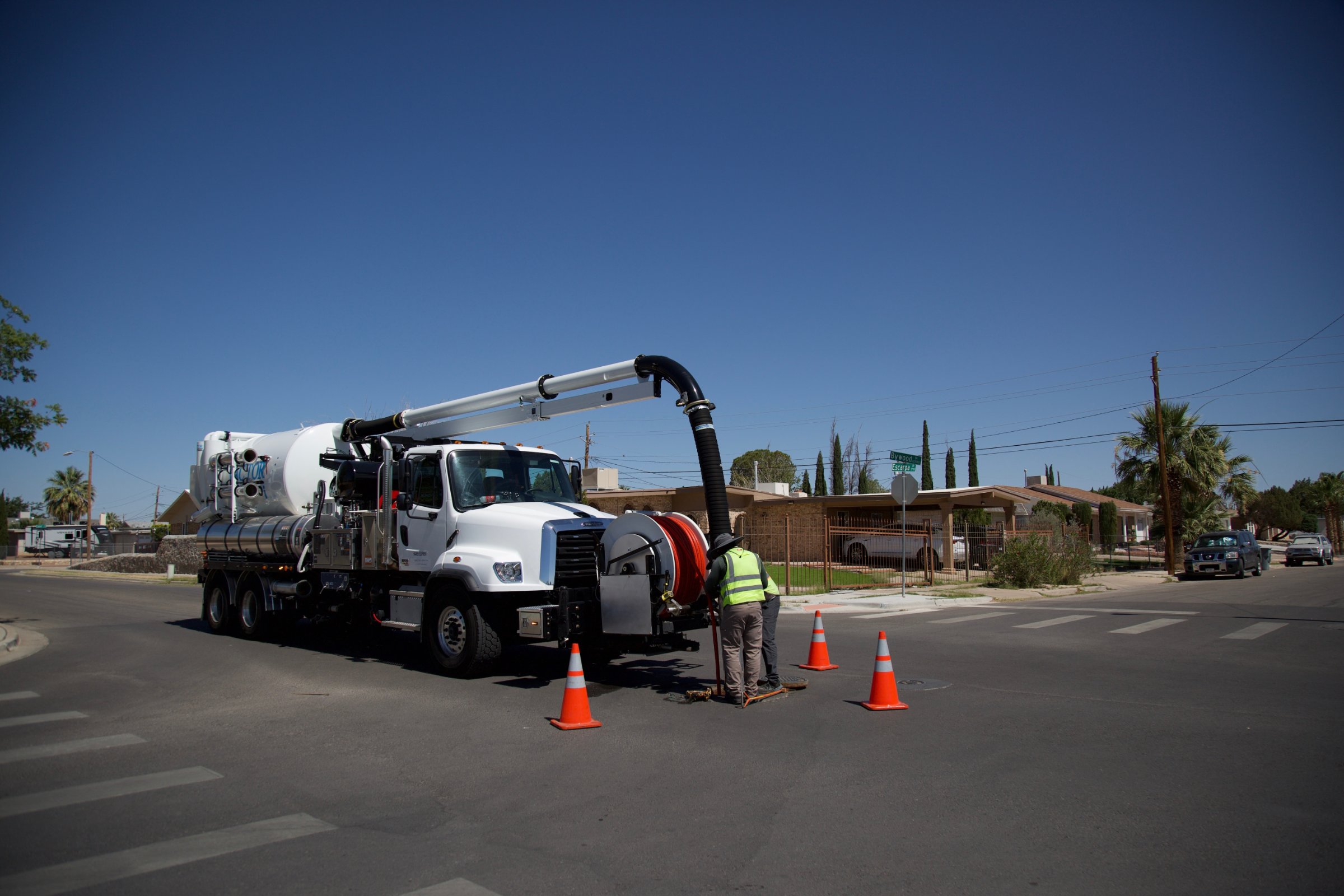
IPI inspection truck and crew on a residential street

For federal infrastructure funding programs

A clear record of what needs investment, why it moves first, and what service risk it addresses.

IPI gives the utilities and communities you fund field-verified condition data and a risk-based priority list for their buried water and wastewater systems. That record can be useful at several points in a funded project, from the application through progress reporting, within whatever documentation your program requires.

Who this is for

Three roles, three reasons to look at condition data

Funding administrators

Funding administrators

Program managers and directors at EPA, USDA RD, HUD, OIA and state SRF programs who set requirements, review applications and oversee awards.

Funding applicants & recipients

Funding applicants & recipients

Utilities, municipalities and territorial agencies that apply for funds and carry the reporting. This is where IPI is typically engaged.

Project delivery partners

Project delivery partners

Engineering firms and program managers who scope and deliver the funded work, often with IPI on their team.

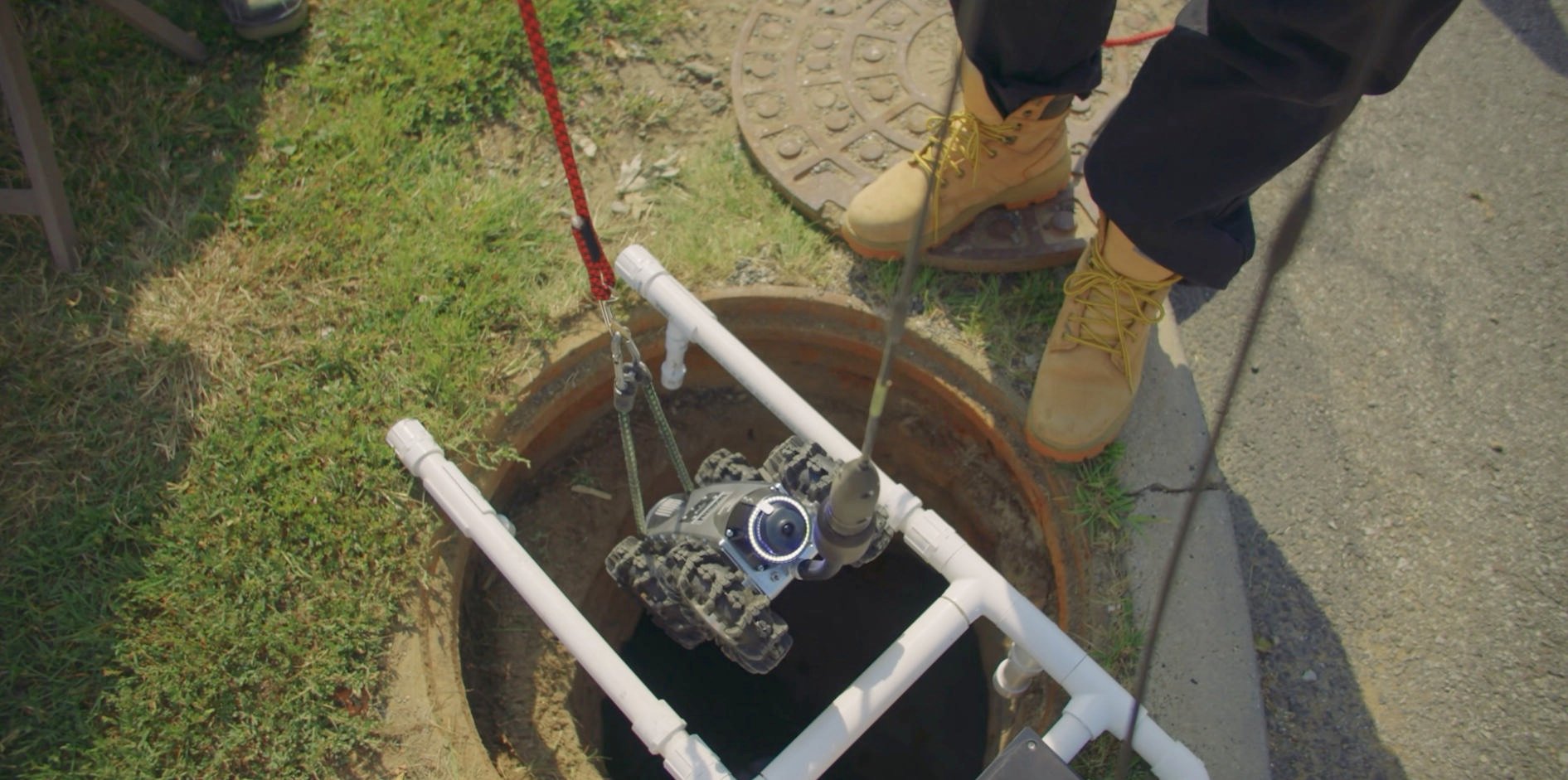
Bot Shot Deployment (3)

The question every award eventually answers

Why this asset, and why now?

Underground pipe is difficult to evaluate without going inside it, so condition is often estimated from age, material and break history. When condition is measured directly, a scope can be explained asset by asset, and limited dollars can be directed to the assets presenting the greatest risk to essential service.

That documentation can stay useful after the award, supporting progress reporting, change decisions during construction, and later review by program staff, auditors or oversight bodies, depending on what each program requires.

What IPI contributes

Three things every funded program needs

Prioritization

Prioritization

Ranked by likelihood and consequence of failure.

Compliance readiness

Compliance readiness

Records that can be mapped to milestones and grant reporting.

Funding enablement

Funding enablement

Data organized to support applications and reporting, as each program requires.

new-bnr-img

What a documented basis looks like

How condition data can support each stage of a funded project
StageWhat the record can show
ApplicationScope tied to measured condition, with the prioritization method written down
AwardA ranked list showing why each asset moves before the next
ConstructionA condition baseline for evaluating scope changes
Closeout and reviewRetained 360-degree imagery and certified coding that can be revisited years later

Reporting and documentation requirements vary considerably by program. IPI works with the recipient and its engineer to align deliverables to the specific award.

Typically included in a deliverable package:

  • Certified inspection record, coded by PACP, MACP and LACP certified professionals to NASSCO standards
  • 360-degree imagery at six times the resolution of traditional CCTV
  • GIS layers aligned to the owner's asset system
  • Prioritization methodology and risk scoring
  • Executive summary written for program and oversight staff
  • Quality assurance records

Proven at scale

Documented condition data, delivered faster

10M+ feet inspected

10M+ feet

of municipal infrastructure inspected since 2009.

El Paso Water program

10 years to 6

El Paso Water's 2,400-mile baseline assessment.

Project Zero

Zero

incidents, defects and claims. Project Zero.

Testimonials

What Clients Are Saying

"Rather than simply executing, IPI has actively helped develop the work plans; leading to smooth and effective investigations."

—
Jeff Lykken, PE
-
Vice President, HDR

FAQ

Common questions from program staff

Does IPI contract directly with federal agencies?

Generally, no. Most IPI work is performed for the utility, municipality or territorial agency receiving funds, often alongside or under the prime engineering firm. A capability briefing for program staff is about what condition documentation can include, not a procurement request.

Is condition assessment an eligible cost?

Eligibility is set by each program and, for state revolving funds, by each state. IPI structures deliverables so the recipient and its engineer can document the work against whatever the program requires.

How does this support consent decree programs?

Condition data is organized by asset and location, so progress against milestones can be shown with measured evidence rather than estimates, and the same record can serve both the compliance file and the funding file.

Can IPI support territorial and remote programs?

Yes. IPI can work anywhere in the U.S. and its territories, and plans remote work around shipping windows, storm seasons and local permitting.

What standards do deliverables follow?

NASSCO PACP, MACP and LACP coding by certified staff, with GIS-integrated outputs compatible with ArcGIS and the asset management platforms most utilities use.

See a sample deliverable package
A 30-minute capability briefing walks through an example IPI deliverable package (condition report, coded inspection data, GIS layers and prioritization method) and how it can map to program reporting. No cost, no obligation.